Previously known as SoniForm
Company
Technology
Applications
Contact
Contact
Home
Company
Technology
Applications
Contact
Ultrasonic heating and
internal temperature measurement.
Smarter polymer processing through ultrasound heating and internal temperature measurement. These enable faster, more precise, and better-controlled polymer processing.
Run an application test
Run an application test
View applications
View applications
The technology
Ultrasonic heating
Generates heat within the polymer volume, enabling faster and more precise heating.
Internal temperature measurement
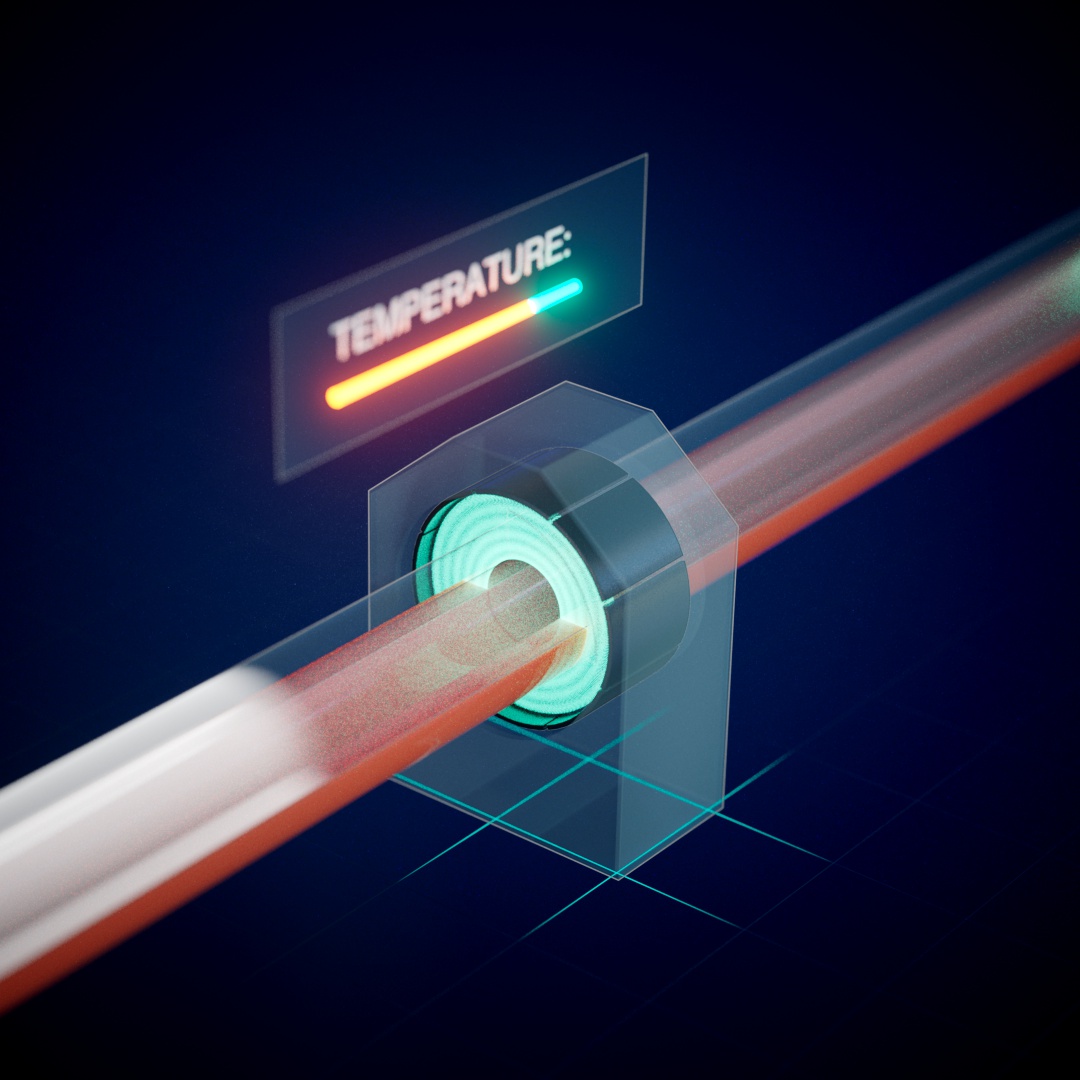
Uses ultrasound to estimate temperatures inside the material, without placing sensors inside it.
Combined or independent
Both technologies offer value independently and can be combined to enable measurement-based heating control.
Consistent heating,
faster processing, and full visibility into internal temperatures.
Conventional heating limits production speed, makes the temperature profile hard to achieve and gives little insight into the material.
Run an application test
Run an application test
Heating
100x
Up to 100× faster heating
The challenge with conventional heating we're solving
Surface heating
Conventional heating starts at the surface and relies on heat conduction into the material.
Slow in thick parts
Heat moves slowly through polymers, particularly in thick parts.
Hard to control the profile
Achieving the desired temperature profile throughout the material can be difficult and time-consuming.
Limited insight
Long heating zones, high energy consumption, and limited insight into internal temperatures make processing less efficient and harder to control.
How it works
A closed loop: measure, heat, re-measure, adjust.
01. Measure
02. Heat
03. Re-measure & control
04. Reach the target profile
Measure
Ultrasound provides insight into the internal temperature of the polymer.
Heat
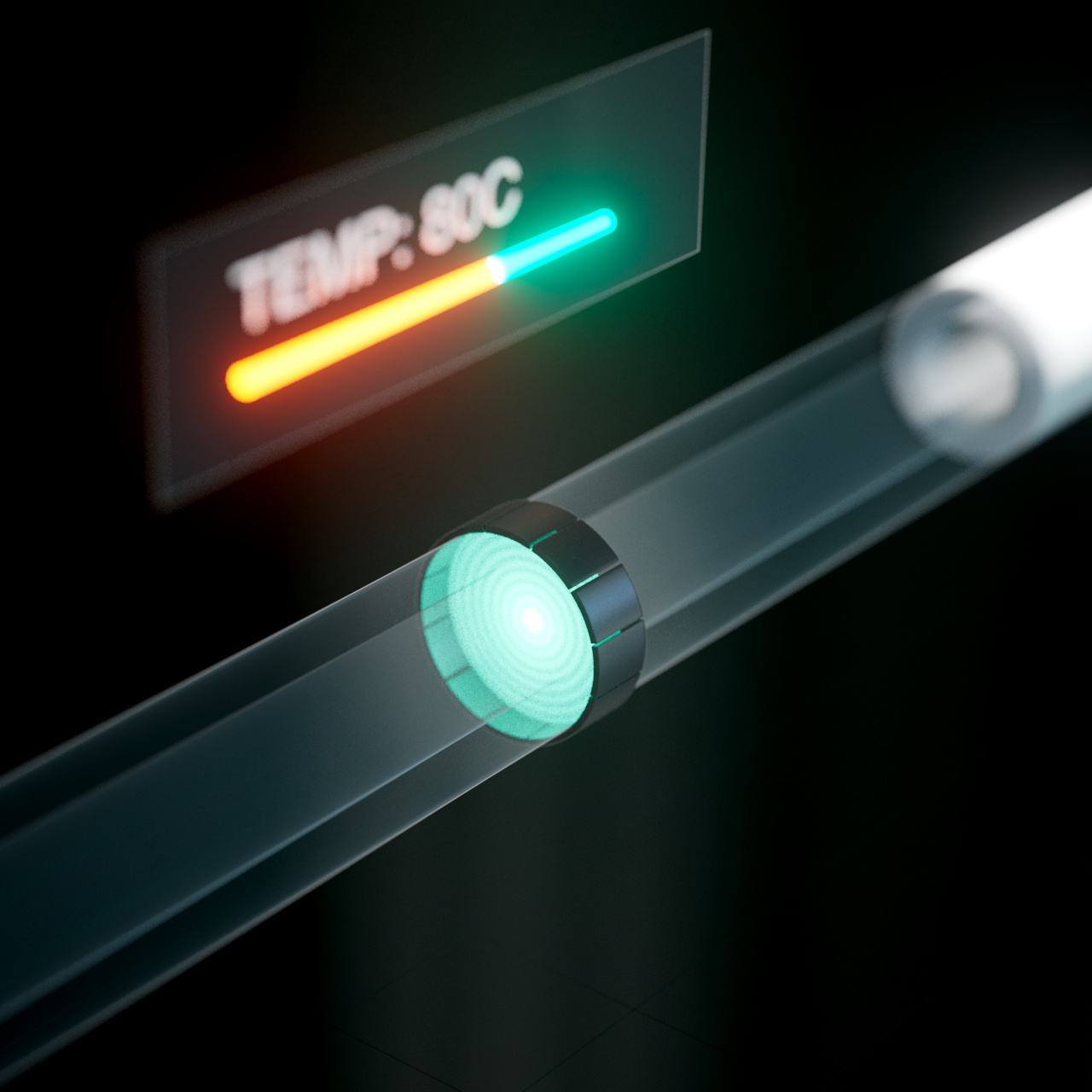
Ultrasonic energy generates heat within the material.
Re-measure & control
Temperature measurements provide feedback to adjust the heating process.
Reach the target profile
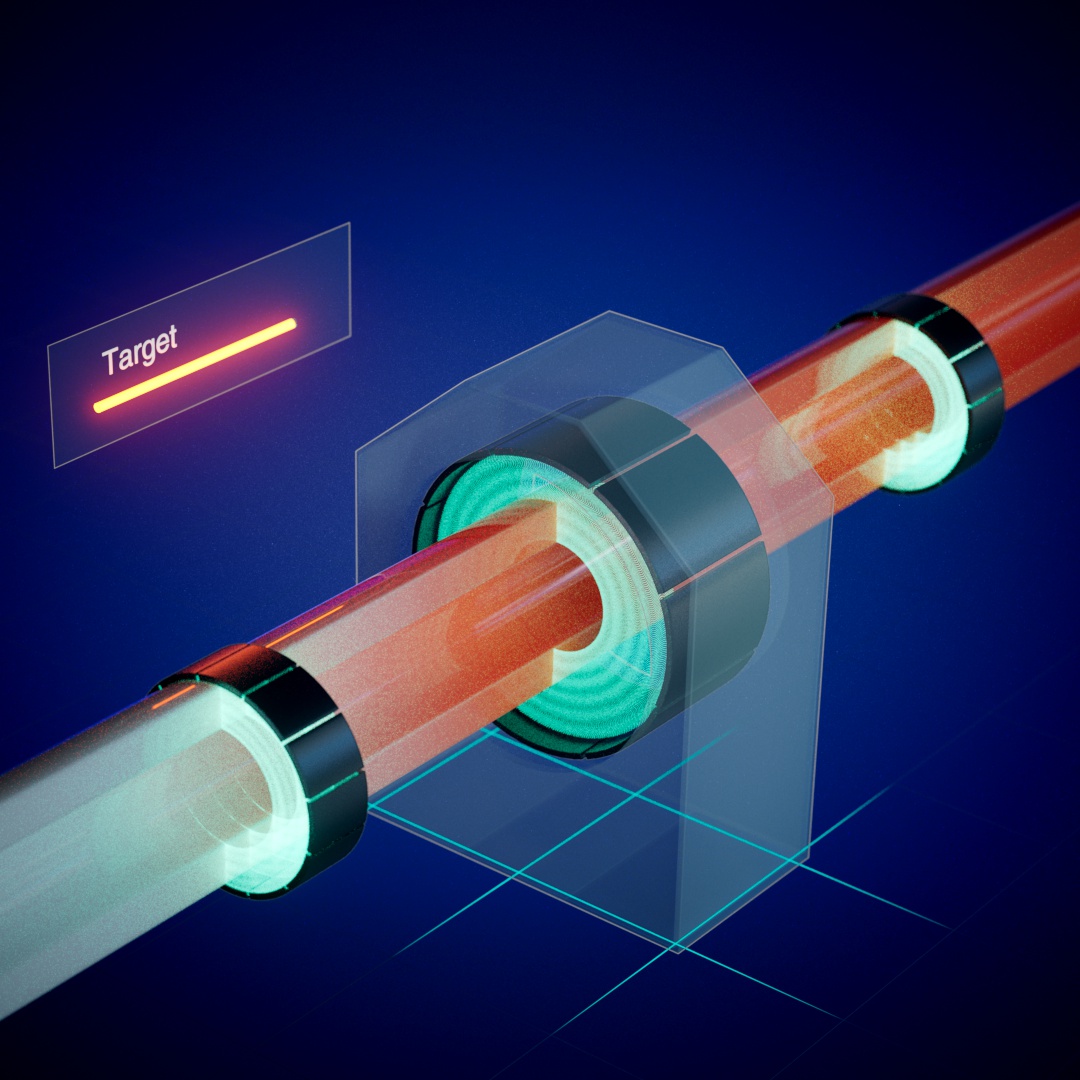
Work toward the temperature distribution required by the process, rather than simply heating the entire material uniformly.
How it works
A closed loop: measure, heat, re-measure, adjust.
Measure
Ultrasound provides insight into the internal temperature of the polymer.
Heat
Generates heat within the polymer volume, enabling faster and more precise heating.
Re-measure & control
Temperature measurements provide feedback to adjust the heating process.
Reach the target profile
Work toward the temperature distribution required by the process, rather than simply heating the entire material uniformly.
Industrial relevance
Customer outcomes such as lower energy use follow from applying the technology appropriately.
Advantage 01
Faster
Faster heating: reduce heating times, shorten heating zones, or increase production throughput.
Advantage 02
Precise
Precise heating: achieve the temperature profile required for the material and processing application.
Advantage 03
Control
Better monitoring and control: gain insight into internal temperatures and enable feedback-based process control.
Potential outcomes
Impact
Depending on the process: lower energy consumption, reduced scrap, and smaller equipment footprints.
Let’s solve your polymer processing challenge.
Discover how ultrasonic heating and/or internal temperature measurement could improve your process.
Test it on your application
Test it on your application
Explore the Technology
Explore the Technology
Lab → fab
100×
faster heating